It used to be that home security and smart home automation existed on entirely separate planes. Security systems were designed strictly as utilitarian devices. They offered wall-mounted keypads, a bevy of contact sensors, loud sirens, and 24/7 professional monitoring service. Meanwhile, smart home automation was its own silo. It was considered a luxury convenience, typified by a fragmented mixture of smart devices.
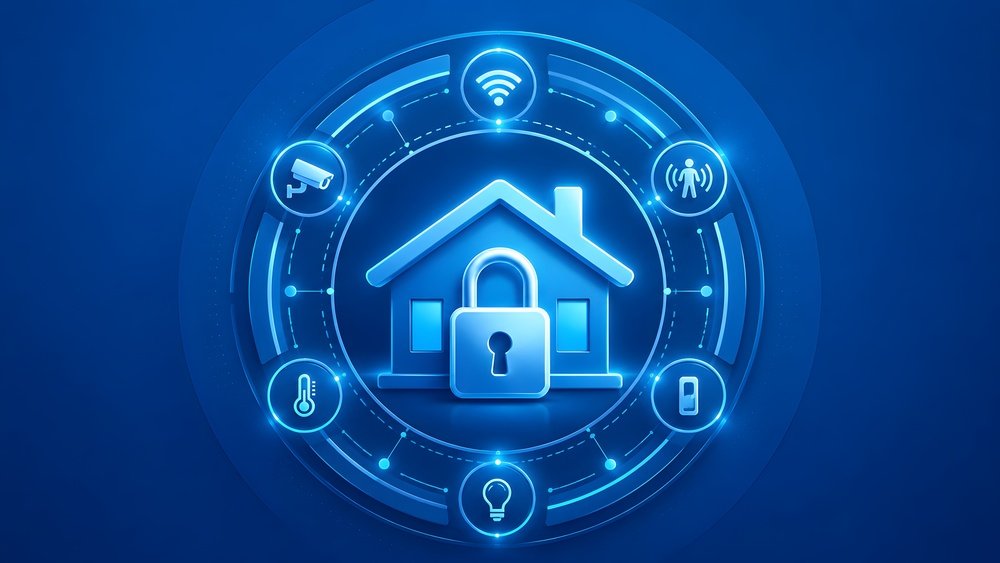
If you haven’t figured it out, the once solid line between home automation and security has pretty much disappeared. Today’s providers, like Vivint, have effectively merged security and home automation into a single unified ecosystem where protection and convenience support one another.
Why Providers Are Combining the Two
Taking a look at what home security providers have done is a lesson in how we got to this point. A few years ago, security companies and smart device manufacturers figured out that siloed automation lacked real-time protection. At the same time, they also understood that traditional security systems sit idle most of the time. Both realizations ultimately led to the conclusion that a combined platform would be more compelling for several reasons:
- Unified Ecosystems – A unified strategy offers the opportunity for a single ecosystem rather than a smartphone cluttered with multiple apps. A single app on a phone, or a central hub on a coffee table, offers all the control homeowners need in one place.
- Contextual Awareness – Single devices have single tasks when used in isolation. But when combined, they benefit from contextual awareness. For example, a smoke detector can both sound an audible alarm and trigger a home’s HVAC system to automatically shut off.
- Enhanced Prevention – Contextual awareness enhances the prevention aspects of home security. Rather than merely being reactive, home automation makes security devices proactive.
Combined systems are a lot like composite materials. On their own, security and home automation have plenty to offer. But combined, what they have to offer is enhanced considerably. That is what it boils down to.
How Consumers Benefit From the Convergence
Combining the two siloed principles, what the industry calls convergence, does not just benefit device manufacturers and service providers. It benefits homeowners as well.
1. Proactive Defense
Rather than simply reacting to an emergency, a fully integrated system can work to prevent one. For example, the combination of automated floodlights and audio-equipped smart cameras can scare burglars away before they attempt a break-in.
2. Efficiency and Energy Savings
A combined system offers real efficiency and energy savings advantages. For example, a system can be programmed to respond as you are walking out the door. It can automatically turn off the lights, adjust the temperature, and arm your security system without you having to do anything but issue a verbal command. You can even eliminate that command by tying the system to the GPS on your cell phone.
3. Seamless Access and Management
One of the primary components of smart home automation is remote access. By combining smart home technology with security systems, providers give customers an opportunity to access their systems from anywhere in the world. All they need is a smartphone and an internet connection. Access is seamless and easy.
A Fully Integrated Experience
If you have ever used home security and home automation as separate entities, you’re already familiar with the benefits of both. Now try combining them into a single ecosystem. You will be amazed at how different your experience is.
A fully integrated experience simply cannot be matched by siloed strategies. And now you know why providers like Vivint have worked so hard to combine both home security and automation into single, unified packages.
About Author