
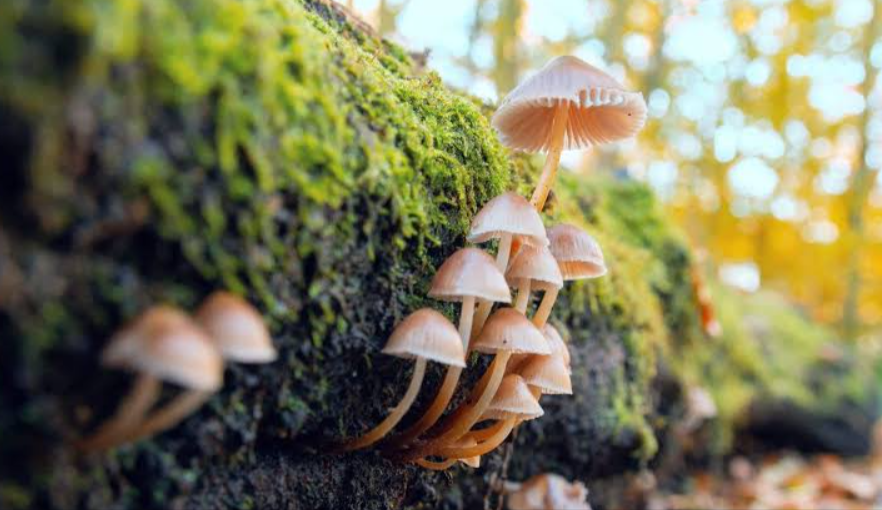
Fungi are receiving increasing attention as their importance in human health, food production, defence systems, and applications of new technologies is being discovered. Fungi are primarily considered to be mushrooms, mould or a cause of infection. But they are also considered in the issue of sustainability and scientific developments. The study results seriously undermine the understanding of organisms that facilitate various life forms.
Everyday interests are also being influenced by the study – from mushroom-based food to conversations about shrooms delivery and an increasing curiosity around the study of the many varieties of fungi. But this interest on the part of the public means it is important for them to have accurate information. In science, people are able to distinguish between what is interesting and what is not due to their understanding of science. Emerging research is making a difference in public conversations about fungi; here’s how:
1. New Discoveries Are Changing Old Ideas
Researchers are studying the role fungi play in decomposing organic substances. For instance, fungi such as mycorrhizae help trees obtain nutrients and water. It does that by forming a symbiotic (mutualistic) relationship with the tree’s leaves and roots. These relationships have spurred the interest of the scientific community.
Interest in fungi is also building in Materials Science. Scientists are studying mycelium, the main body of many mushrooms that is made up of fine threads, to make packaging, insulators and more. These are promising materials but need to be carefully considered for environmental, cost, durability and performance.
2. Health Research Is Expanding the Conversation
Fungi are a new addition to the mental health, infection, and treatment debates. Research into the use of psilocybin, a psychoactive substance in some mushrooms, has explored its potential in the treatment of various conditions, including depression, within a clinical context. These results have gained interest from research scientists. But they are still being studied for safety and effectiveness and for appropriate patients and long-term results.
Meanwhile, researchers are on a quest to understand fungal infection. Some infections are not easy to treat, and this work is important because it may help people with weakened immune systems to receive treatment.
3. Environmental Concerns Are Reaching More People
In recent years, researchers have been keen to explore the role fungi can play in solving environmental challenges due to climate change and pollution. Some fungi can break down certain pollutants in certain conditions. But some fungi can help scientists find new ways of coping with agricultural waste. These are all potential avenues which appeal to communities looking for greener solutions.
How people talk about these discoveries is influenced by social media, documentaries, podcasts and science news. A good headline can make a new idea accessible to thousands, but may miss details of the (important) limitations or uncertainties.
In conclusion, new studies are turning fungi into new actors to popular discourse. In medicine, in the field of environment and in the field of sustainable materials some of the new discoveries challenge the question of safety, of evidence, of usefulness. People can gain more insight into how fungi might help inform future solutions and debates by relying on trusted science and discarding sensationalist claims.
About Author